
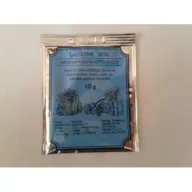
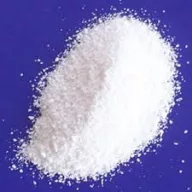


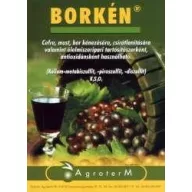
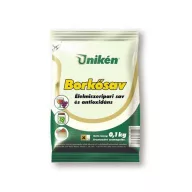
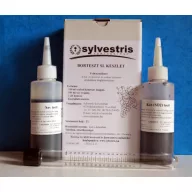


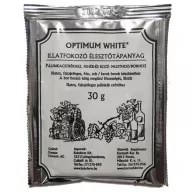
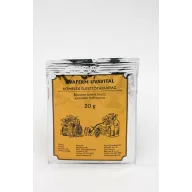
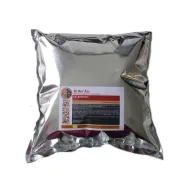
Here you can find ascorbic acid, tartaric acid, bentonite, wine and mash yeast nutrient, aroma-releasing enzymes, wine sulfur, yeast nutrient, yeast, glycerin, acid neutralizer, activated carbon, pectinase or pressing aid, aroma-releasing enzyme, grape sugar, color extractor, and gelatin as well. You can also find a wine test here suitable for determining the acid and free sulfur dioxide content of wine and must.
How to properly prepare fruit mash for pálinka?
The basis of good pálinka is perfectly prepared fruit mash. If the mash is bad, the pálinka cannot be good either. However, if the mash is prepared precisely, the pálinka will also be of excellent quality—fragrant, clean, and characterful.
1. Preparing the fruit
Work only with ripe, healthy fruit!
For making mash, perfectly ripe fruit with high sugar content is the most valuable.
Avoid rotten, moldy, wormy, or fermented fruit, and do not harvest grapes or fruit for pálinka making immediately after spraying, as it imparts faulty taste and smell to the noble drink.
Generally, fruits do not need to be washed before mashing, as the microflora on the skin aids natural fermentation. If you use fruit picked from the ground that is dusty or dirty, it is worth rinsing gently.
Stone fruits (plum, apricot, sour cherry) must be pitted before mashing. For example, apricot pits contain cyanide, which, besides giving an unpleasant, bitter taste, can be toxic in large amounts.
For pome fruits (apple, pear, quince), cut the fruit intended for mashing into larger pieces. Berries (grape, currant, raspberry, blackberry) can generally be fermented whole, but it is important to crush the skins.
One of the most important parameters of good mash is sugar content, which determines the expected alcohol content. To measure this, you can use a mash hydrometer, available in various sizes at gazdabolt.hu. The ideal expected alcohol content is 6-12%, usually with a sugar level around 15–18° Brix.
2. Enzymes, yeasts
Pectin is a polysaccharide (a carbohydrate made of several sugar molecules) found in the cell wall of fruit. Its main function is to hold cells together, stiffen tissues, and bind water. However, during pálinka making, pectin inhibits the release of extractable aroma compounds, increases the chance of methanol formation, and makes fermentation more difficult. That is why pectinase enzymes are used during mash fermentation.
The use of pectinase is especially recommended for thick-skinned fruits (plum, apple, pear, medlar, quince).
In wine and pálinka making, spontaneous fermentation is unpredictable. To obtain high-quality wine and pálinka, fermentation must be controlled. For this, mash yeast and yeast nutrients can be used. These ensure rapid start of fermentation, clean and flawless fermentation, high alcohol content, and good yield of aroma compounds.
Fruit is rich in natural sugar but low in nutrients—so without nutrients, fermentation may stall.
3. pH regulation, acid neutralization
The ideal pH of mash is 2.8–3.2. If the pH is too high, the risk of spoilage increases, acetic bacteria multiply (acetic fermentation), and the mash spoils. Tartaric acid can be used to lower pH, and acid neutralizer to raise pH.
4. Air
During mash fermentation, a lot of CO₂ is produced. The mash is good if it can release carbon dioxide but does not let in oxygen, as that leads to acetic fermentation. For this, use a glass or plastic fermentation lock, which can be placed on the fermenting vessel, plastic barrel, tank, or demijohn.
5. Temperature
The ideal fermentation temperature is 18–22 °C. If the mash overheats, aroma loss, acetification, and cloudy fermentation occur. At too low a temperature, fermentation stops.
When is the mash ready for distillation?
The mash is ready for distillation when:
• bubbling has stopped
• the sweet taste of the mash has disappeared
• the color is uniform
• sediment has appeared at the bottom
• alcohol smell is noticeable
Depending on the fruit, this is usually 5–21 days.
How to store the mash until distillation?
The finished mash cannot stand for long, as it spoils. Book an appointment at the distillery in time! Until then, seal the container airtight and keep it in as cool (between 10–15 °C), sun-protected place (cellar) as possible.
Frequently Asked Questions (FAQ)
1. What winemaking aids can I find at gazdabolt.hu?
The selection includes yeasts, fining agents, stabilizers, sulfurizers, acid treatment agents, nutrients, cleaning and disinfecting agents for barrels, cans, and other equipment, as well as various winemaking additives (e.g., tannins, enzymes).
2. Which yeast should I choose for my wine?
This depends on the type of wine you want to make:
For white wine: neutral aroma or specific yeast for white wines.
For red wine: specific yeast that gives complex aromas and body.
For fruit wine: a strain recommended for good fermentation even with lower nutrients.
If you are unsure, it is worth following the recommendations in the product descriptions or on the labels.
3. What are fining agents used for?
The purpose of fining agents is to clarify the wine and remove suspended particles that cause cloudiness. The most common types: bentonite (recommended for white wine), gelatin, silicon dioxide gel, casein.
Always do a small test before fining!
4. How and when should I sulfurize the wine?
The purpose of sulfurization is to prevent oxidation of the wine and maintain microbiological stability.
Most commonly used substances: potassium metabisulfite and liquid sulfur solution
The amount depends on the type and condition of the wine, generally 5-10 g/100 liters, but always follow the instructions on the product label.
5. When is acid treatment necessary?
If the must or wine's acid content is not optimal.
Acidification: with citric acid, tartaric acid
Deacidification (acid reduction): with calcium carbonate or other special preparations
Always decide based on measurement!
6. Why is it important to use yeast nutrients?
Yeast nutrients ensure more stable fermentation, reduce the risk of fermentation stopping, and improve aroma. Especially recommended for musts and low-nutrient fruit wines.
7. What disinfectants can I use in winemaking?
Our selection includes acidic and alkaline barrel cleaning liquids.
After use, always rinse containers and equipment thoroughly!
8. Can I buy in small packages?
Yes, gazdabolt.hu offers economical packages of a few grams or a hundred grams for small home winemakers as well.
9. How long can winemaking aids be stored?
Most materials can be stored for several years in a cool, dry place, sealed.
For yeasts and certain enzymes, refrigerated storage is recommended.
10. Can I get help choosing the right product?
There are detailed descriptions on the product pages, and the webshop customer service can also help if you are unsure about your choice.
You can also ask your questions about the products we sell in our expert advice section.