
The soul of the kitchen, the foundation of the garden
Onion is one of the most important basic ingredients and seasoning vegetables in Hungarian cuisine. You can't imagine stew, goulash, or lecsó without it, but we also eat it pickled, fermented, and fresh. If you grow it in your own garden, the yield will not only be tastier and longer-lasting, but you'll always have fresh ingredients, green onions, and chives at hand. By propagating from seeds, you can try many types and varieties. Read more »
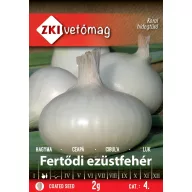
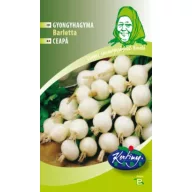
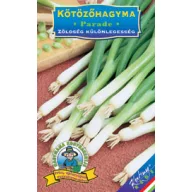
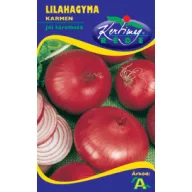
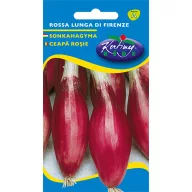
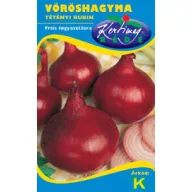
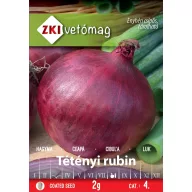
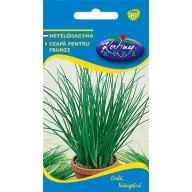
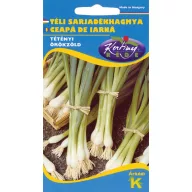
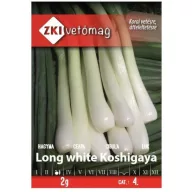
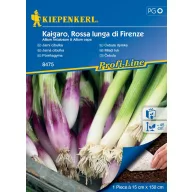
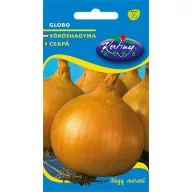

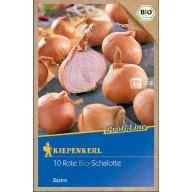
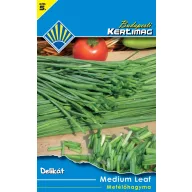
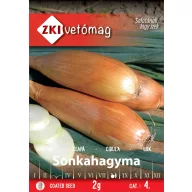

What types of onions are there?
Among the onion varieties, you’ll find the classics for winter storage, such as the Makói red onion, as well as milder types for salads and special-flavored shallot types.
Yellow onions (for storage and cooking)
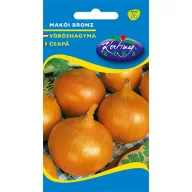
Makói Bronz – ancient Hungarian landrace
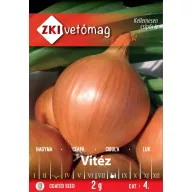
Vitéz F1 – a high-yield, improved version of Makói Bronz, with strong skin, for winter storage
Stuttgarter Riesen – high-yield, armored skin, excellent storability, classic onion variety.
Centurion F1 – uniform bulb size, high yield, disease-resistant variety.
Hercules F1 – fast-growing, resistant, excellent storability hybrid.
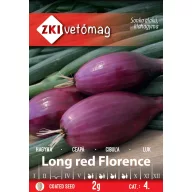
Red onions (for salads, fresh consumption, fermenting, pickling)
Red Baron – bright red color, slightly sweet taste, ideal for salads.
Karmen – deep purple color, excellent aroma, good storability.
Troy Red F1 – nice coloring, uniform bulb size, medium-strong flavor.
White-skinned and fleshed sweet onions (for fresh consumption, pickling)
Silver Queen – especially mild flavor, recommended for fresh salads and sandwiches.
White Sweet Spanish – large-sized, sweet-tasting specialty.
Spring onions (scallions) varieties
Ishikura – Japanese type, long white stem, intensely aromatic.
Performer – even growth, versatile use.
Chives – fresh herb all season long
Dutch chives – strong aroma, can be cut all summer.
Thin-leaved types – dense clump growth, a complement to fresh salads, egg dishes, spreads.
Chives are perennial, easy to grow in pots and beds, so you’ll always have fresh herbs on your balcony.
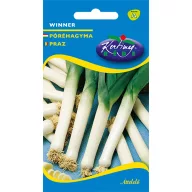
Leek – easy to grow, substantial vegetable
Carentan – classic, strong-stemmed, well-storing leek.
Blauwgroene Winter – winter-hardy, ideal for late harvest.
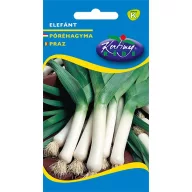
Elephant – especially thick-stemmed, excellent for soups and stews.
Leek requires little space, tolerates cold well, and can be left in the garden for a long time, so it can be picked fresh even in winter.
Frequently Asked Questions (FAQ)
1. Which variety is suitable for long storage?
Makói Bronz, Vitéz F1, Stuttgarter Riesen, Centurion F1 and Hercules F1 are the best if you want to store onions for the whole winter.
2. Which variety is best for salads or fresh consumption?
Red Baron, Karmen and the white Silver Queen have milder, sweeter flavors – these are ideal for salads or raw consumption.
3. Can I grow chives on a balcony?
Yes! Chives are one of the best balcony herbs: they live for years in a pot and continuously produce fresh shoots.
4. Can I grow chives indoors?
You can sow chive seeds indoors all year round on a bright windowsill, keeping the soil constantly moist. Abundant light is critical for success, which you can supplement with (LED) lighting in winter.
5. Is leek considered a difficult plant to grow?
Not at all! Recommended for beginners. It tolerates cold well, does not require special soil, and can even stay in the ground during winter.
6. Which onion is good for salads?
Red Baron, Karmen, and the white onions have milder flavors, so they are ideal for fresh use.
7. Should I choose onion sets or seeds?
Onion sets are quick, reliable, and produce larger bulbs. Seeds are cheaper, offer more varieties, but require a longer growing period.
8. When should onions be planted?
If growing from sets, plant in early spring as soon as the soil can be worked. Seeds can be sown outdoors in March–April. Autumn, overwintering types should be sown from late August to mid-September, at the latest by the end of September.
9. What soil does onion prefer?
It prefers loose, well-drained, moderately nutrient-rich soil; avoid waterlogging.