
We breathe life into the soil
The soil is a living, dynamic medium; it stores water and nutrients, microorganisms live in it, and roots anchor and develop there. If the soil structure is poor, barren, or depleted, even the most advanced fertilizers, the most precise irrigation, and care will not help. The purpose of soil improvers is to restore or enhance the soil’s natural ecosystem (mycobiome), structure, and fertility, thus creating healthier, more productive soil. Read more »
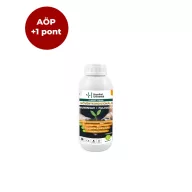
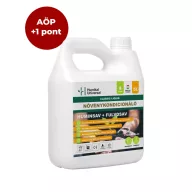
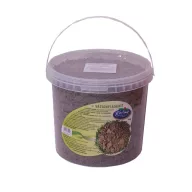
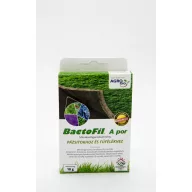
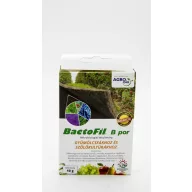
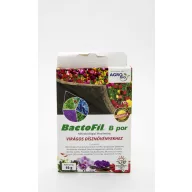

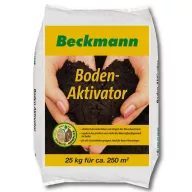
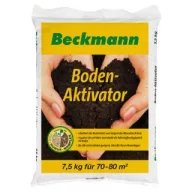

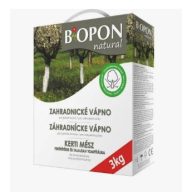
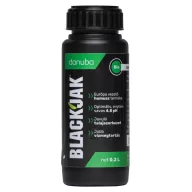
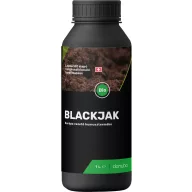
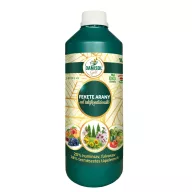
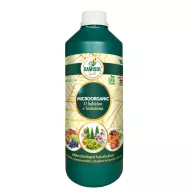


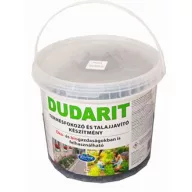
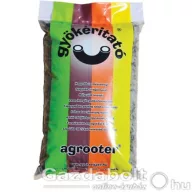
How do soil improvers and soil conditioners help?
• by loosening and crumbling the soil structure,
• by increasing water and nutrient retention,
• by making micro- and meso-elements available,
• by activating soil life (microorganisms, fungi, bacteria),
• by strengthening the plants’ stress tolerance (in case of extreme weather).
What do soil improvers contain?
1. Humic acid and humus-based conditioners
These products help increase the organic matter content of the soil, stimulate humus formation, improve soil structure and water and nutrient retention. Humus-rich soil becomes looser, more crumbly, with better air and water management, which is ideal for root development.
2. Soil activators containing microorganisms, mycorrhizal fungi, algae
These living organisms help increase the biological activity of the soil. Bacteria and fungi break down dead plant residues and organic matter, release nutrients, improve soil structure, and increase the plant’s resistance to pests and stress factors.
3. Water and nutrient-retaining additives
In case of drought, these substances can “store” water and nutrients in the soil, so plants have continuous access to water and nutrients even during dry periods. This is especially valuable for sandy or weakly structured soils.
4. Mineral soil improvers (lime, dolomite, gypsum, etc.)
If the soil is too acidic, compact, or clayey, mineral improvers can help correct the pH, improve soil structure, and water and nutrient management.
When is it recommended to use soil improvers?
• If the soil structure is compact, clayey, or has poor drainage — a soil improver can help loosen and aerate it.
• If the soil is poor in nutrients and organic matter — you can supplement it with humic acid and microbiological products.
• If the area is prone to drought or extreme weather is frequent — water-retaining additives can provide more stable water supply.
• If you plant or grow regularly, the soil may become depleted over time — frequent soil improvement is recommended.
• If you grow garden vegetables, fruits, flowers, or ornamental plants and the quality of the yield, the lasting beauty of ornamentals, or the durability of the lawn is important.
Frequently Asked Questions (FAQ)
1. What is the difference between a soil improver and a fertilizer?
Fertilizer mainly supplies nutrients to the soil. In contrast, the purpose of soil improver additives is to improve the soil’s structure, microbiological activity, and water management — the goal is not direct nutrient supplementation, but long-term soil improvement.
2. When should soil conditioners be used?
Ideally before sowing or planting, but in the case of severely degraded or depleted soil, they can also be applied in beds during resting periods. Usually, it is sufficient to refresh the soil with them every 2–3 years.
3. Can I use them in balcony boxes or potted plants?
Yes, especially to improve the poor structure of the medium for large plants, when it is not possible to repot them into a completely new medium. For new plantings, water-retaining materials mixed into the medium provide extra benefits, e.g. if watering is missed during holidays.
4. Which soil improver should I choose?
It depends on what you need:
• Soil loosening → humus, compost, humic acid, microbiological product
• Increasing water retention → water-retaining additives, humus, organic matter
• pH correction/acidification treatment → liming, dolomite, mineral improvers