
Treasures from Underground
Vegetables belonging to the root vegetable category — carrot, beetroot, root parsley, radish, parsnip, turnip, and their relatives — are important foundations of a healthy, filling diet. Their yield develops underground, which gives them their characteristic taste, texture, and nutrient content. Read more »

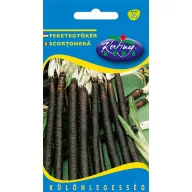
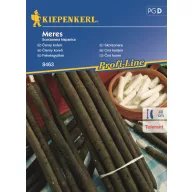
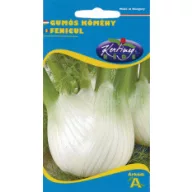
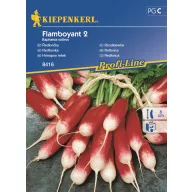

What plants and varieties are included in the category?
Carrot – for example, Nantes type, early, mid-late, or varieties suitable for storage
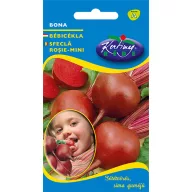
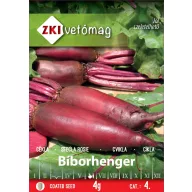
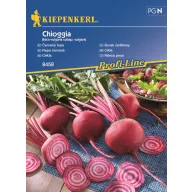
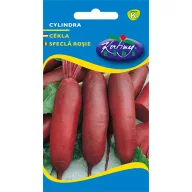
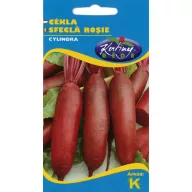
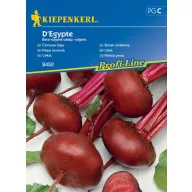
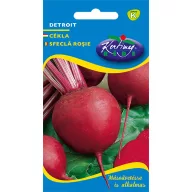
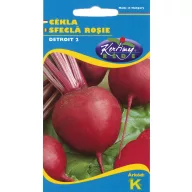
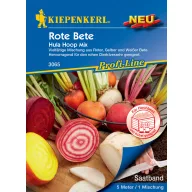
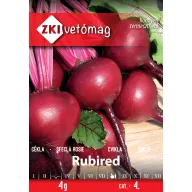
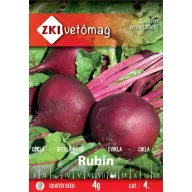
Beetroot – varieties with dark red flesh, sweet taste, excellent for salads and pickling
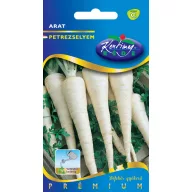
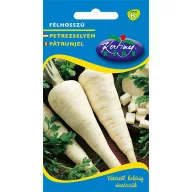
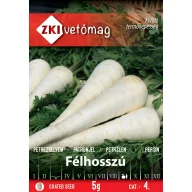
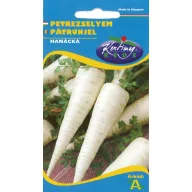
Root parsley – leaves are aromatic spice, root is a popular soup vegetable
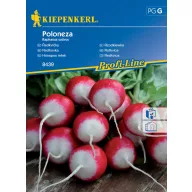
Radish – fast-growing root vegetables suitable for early sowing
Horseradish – long-lived vegetable, traditionally served with Easter ham
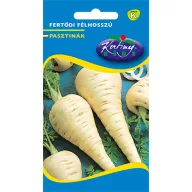
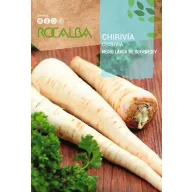
Parsnip, turnip – longer growing period, varieties suitable for winter consumption and storage
Celeriac – for soups and stews, aromatic, distinctive vegetable
The different root vegetables have varying cultivation requirements and uses: some can be sown early, some require a longer growing period, and some are particularly good for storage.
How to choose seeds and when is it worth sowing?
Based on sowing time and growing period
If you want an early harvest (spring, early summer), choose fast-growing varieties (e.g. radish, baby carrot). If you want to grow vegetables with a long growing period that can be stored in winter (e.g. carrot, beetroot, root parsley), then prefer the longer growing period varieties.
Soil requirements and sowing depth
Root vegetables prefer loose, sandy but nutrient-rich soil. The depth and density of sowing mostly depend on the variety grown.
Storability and use
If you want to store them for winter, choose varieties that store well. If you want fresh, crunchy vegetables, early, fast-growing varieties are ideal.
Frequently Asked Questions (FAQ)
1. When is it worth sowing root vegetables?
Root vegetables can be sown at several times — from spring (early radish, baby carrot) to late spring, and many species are also suitable for summer or autumn harvest if sown from early summer. Sow the longer growing period varieties in spring.
2. What is the ideal soil?
Root vegetables generally require deeper, loose-structured soil. Loose, well-draining, nutrient- and organic-rich soil is best. Avoid heavy or stony soil, as roots may become deformed. In smaller gardens, they can be excellently grown in raised beds.
3. Which plants can be sown together?
Short growing period (e.g. radish), medium (e.g. beetroot), and long growing period (e.g. carrot) plants can be grown together with staggered sowing, so you can have a continuous supply of fresh vegetables.
4. How easy is it to grow root vegetables at home?
Growing root vegetables requires some planning (soil preparation, sowing, care), but if you choose good quality seeds and provide the right growing conditions, cultivation can be successful at home, so you can continuously enjoy fresh, chemical-free root vegetables.