
Micronutrients for Maximum Plant Health
Micronutrient fertilizers provide plants with essential nutrients that are needed only in small amounts, yet play a fundamental role in photosynthesis, enzyme function, fruit formation, and resistance. If any micronutrient is missing from the soil or becomes unavailable (e.g., due to high pH or heavy soil), plant development will visibly decline. Read more »


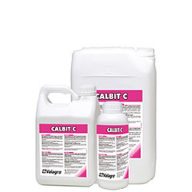
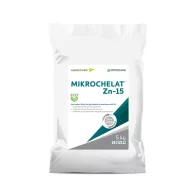

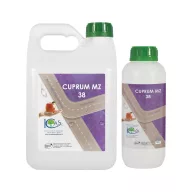
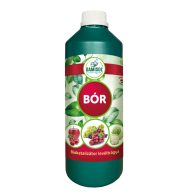
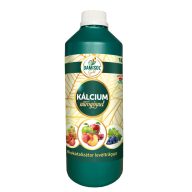
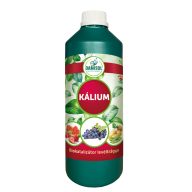
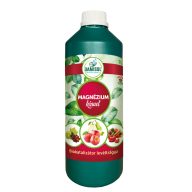
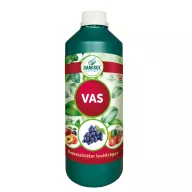

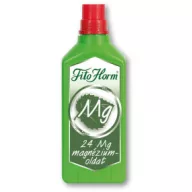
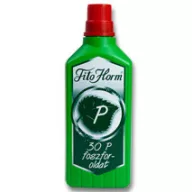
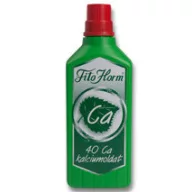
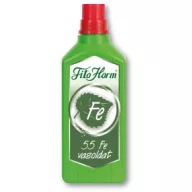
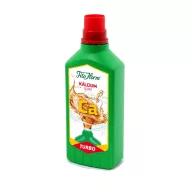



What can I find here?
The micronutrient fertilizers in this category are primarily available in chelated form. These are stable, organic molecular bonds that prevent micronutrients from binding or precipitating in the soil. As a result, the plant can absorb them quickly, safely, and efficiently, whether it is a deficiency of iron, copper, manganese, zinc, boron, or molybdenum.
Our selection includes market-leading brands that offer targeted solutions for various crops and deficiency symptoms. Micronutrient fertilizer is also an ideal choice if you want to quickly remedy yellowing, leaf spotting, or weak growth.
What are the most important micronutrients for plants?
The most important micronutrients for plants are iron (Fe), manganese (Mn), zinc (Zn), copper (Cu), boron (B), molybdenum (Mo), chlorine (Cl), and nickel (Ni). These are needed in small amounts but are vital for enzyme function, nutrient uptake, and healthy growth.
Although often classified as micronutrients, calcium (Ca), magnesium (Mg), and sulfur (S) are rather considered mesoelements (they form a transition between macro- and micronutrients), as plants require them in moderate amounts, and they are indispensable for cell wall formation, chlorophyll production, and protein synthesis.
What does chelation mean?
Chelation means that micronutrients (such as iron, zinc, manganese) are “surrounded” by an organic molecule, as if held stably by a ring with claws. This molecule prevents the micronutrient from quickly binding, precipitating, or becoming unavailable in the soil.
Why is this important for micronutrient fertilizers?
• Better uptake: chelated micronutrients remain dissolved and easily accessible to the plant for a longer time.
• Stable at different soil pH levels: they do not bind in acidic or alkaline soils.
• Act faster: especially advantageous for foliar fertilization, as the plant can quickly incorporate them.
• Reduce the development of deficiency symptoms: for example, yellowing (chlorosis) caused by iron deficiency or distortions due to zinc deficiency.
Thus, chelation ensures that micronutrients actually reach the plant and are not lost in the soil.
Frequently Asked Questions (FAQ)
1. What are micronutrient fertilizers good for?
To supplement the micronutrients necessary for healthy plant development and to quickly eliminate deficiency symptoms.
2. Why is the chelated form advantageous?
It is stable, does not bind in the soil, and the plant can absorb it much more efficiently.
3. For what deficiency symptoms is it worth using?
In cases of yellowing, distortion, slow growth, poor flowering, or poor fruit set.
4. Can micronutrients be applied through the leaves?
Yes, many products are suitable for foliar fertilization, so the effect appears more quickly.