
The true classics of the vegetable garden
Cabbage varieties are constant favorites in Hungarian home gardens: they produce reliably, can be forced early, store well, and some species can even stay in the garden during winter, making them a versatile ingredient for dishes all year round, whether raw, baked, or cooked. Read more »
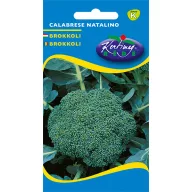
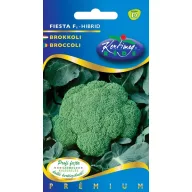
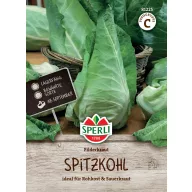
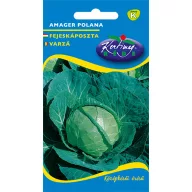
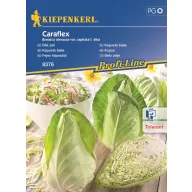
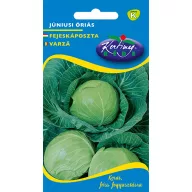
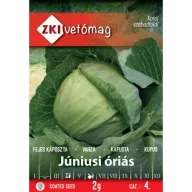
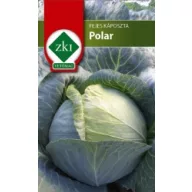
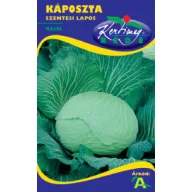
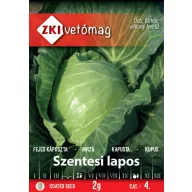
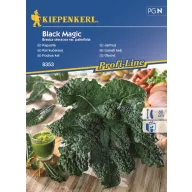
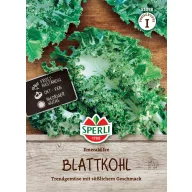
What can I find in this category?
Wide variety of types with different ripening times:
- Head cabbage: for example Ditmarski early, Balasho, Rendet F1, Hurricane F1
- Savoy cabbage: Rozsa, Verona, Wirosa F1
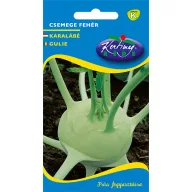
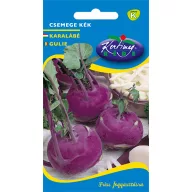
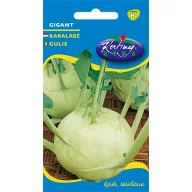
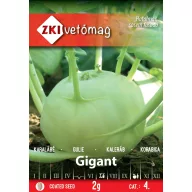
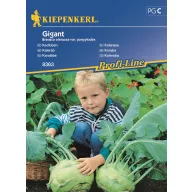
- Kohlrabi: Gigant, Delikát, Korund, Kossak F1
- Cauliflower: Snowball, Cezar F1, White Ball, Autumn Giant
Reliable selection for beginners and advanced gardeners
The selection includes both classic, well-proven domestic varieties and new generation F1 hybrids, which are more resistant and more productive.
The unique advantage of your own harvest
Freshly picked cabbage and cauliflower are richer in vitamins, and home-grown kohlrabi is sweeter and crunchier than what you can buy in the store.
FAQ – Frequently Asked Questions
1. Which variety should I choose as a beginner gardener?
For head cabbage, Ditmarski early; for kohlrabi, Delikát or Korund; for cauliflower, Snowball are excellent, easy-to-grow basic varieties.
2. When is it worth sowing the different types of cabbages?
Early cabbages (e.g. Ditmarski early): sow for seedlings from the end of February, then plant out in April.
Late (storage) cabbages (e.g. Rendet F1): sow seedlings in March–April, harvest in autumn.
Kohlrabi (e.g. Gigant, Kossak F1) can be sown in several rounds from spring to late summer.
Cauliflower (e.g. Cezar F1) can be grown in both spring and autumn.
3. Is it better to plant cabbages outdoors or in a greenhouse?
Both work! Under cover, early varieties develop faster, while outdoor cultivation is more economical.