
Tools for picking flowers, pruning, and cutting branches
In the garden, orchard, and when caring for ornamental trees and shrubs, it is often necessary to cut branches, twigs, dead or aged parts properly and cleanly—not just break them off. The Pruning Shears & Saws category collects those tools that make it possible to prune plants healthily, shape crowns, trim branches, or cut off limbs—whether it’s thin shoots or thicker woody branches. Read more »


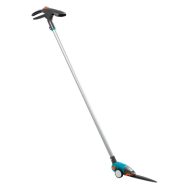
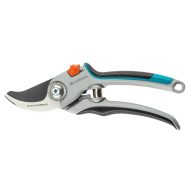
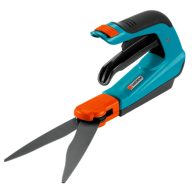
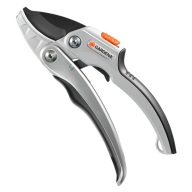
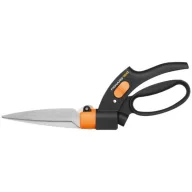
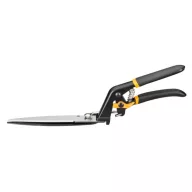
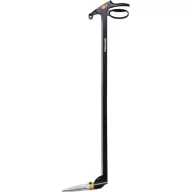
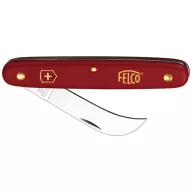


What can I find here?
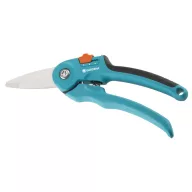
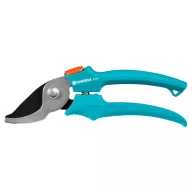
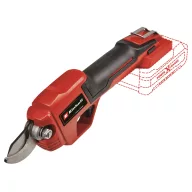
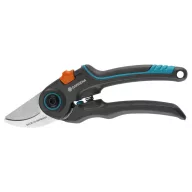
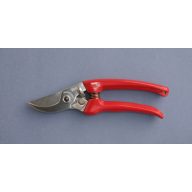
• Hand pruners: ideal for pruning smaller branches of shrubs, fruit trees, ornamental trees, and hedges. Pruning helps plant health, bud formation, flowering, and removes diseased, dead, or aged parts.
• Loppers, longer-handled (manual or telescopic) versions: ideal for cutting thicker branches, maintaining taller trees, fruit trees, and ornamental trees — without a ladder, for safer work.
• Garden saws, branch saws: for branches that cannot be effectively cut with pruners or loppers — e.g., for thick, rigid branches, or for proper pruning of thicker trunk parts.
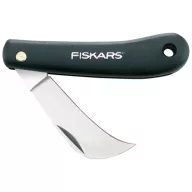
• Combined or special pruning/sawing tools (e.g., versions suitable for grafting, stem cutting): where finer cuts, healthy wounds, and precise pruning are needed, such as grafting, cutting young shoots, or caring for ornamental plants.
These tools allow your plants to develop healthily, grow in an orderly way, and prevent dead, diseased, or dangerously hanging branches — which increases both the safety and aesthetics of your garden.
When is it worth using pruners or a saw?
• When shaping shrubs, hedges, or pruning flowering or fruit trees — when shoots are too dense or there are dead branches.
• When cutting thicker branches — with a lopper or saw, when the wood is no longer a “soft shoot.”
• When thinning the crown, removing dead branches — for the health of the tree and a safe garden.
• Grafting, bending, shaping tree forms — when a precise, clean cut is needed.
Frequently Asked Questions (FAQ)
1. Which pruner should I choose — bypass or anvil?
For fresh, live shoots, ornamental plants, and fruit trees, the bypass pruner is best, as it gives a clean, smooth cut and damages the tissues less.
For dry, dead wood, thick branches, and older woody plants, the anvil pruner can be more effective — as it cuts through rigid branches with greater force.
2. Can I use pruners for all pruning?
No! They are ideal only for thin branches and shoots, but for thicker, woody branches you should use a lopper or saw, otherwise the pruner may be damaged or harm the plant.
3. How should I care for my pruning tools to make them last long?
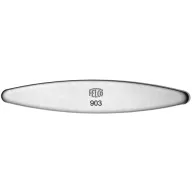
After each use, clean the blade (removing sap and stuck wood pieces), dry it, and occasionally oil it. After pruning, especially after cutting potentially infected branches, it’s also worth disinfecting — this reduces the spread of fungal or bacterial infections.