
Miscellaneous, practical tools for every garden and yard
During any gardening, housework, or DIY project, there are special or supplementary tools that cannot be classified as “classic” shovels, hoes, pruners, or saws — yet they often come in handy. The “Other tools” category is home to these “all-purpose” or supplementary tools: it contains items that help with various tasks — from soil preparation to cleaning, maintenance, and repair. Here we have collected those tools that we don’t always think of, but are often indispensable. Read more »
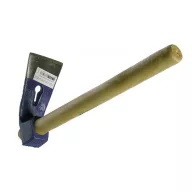
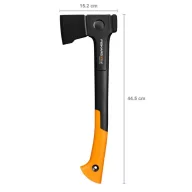
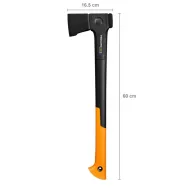
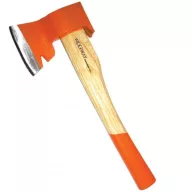

What can I find here?
In the “Other tools” group, you will typically find tools and equipment that are — not classifiable or special — such as:
• Cultivators, scrapers, flower claws or weeders, small hoes — for loosening soil, weeding, fine soil work, preparing or tending vegetable gardens and flower beds.
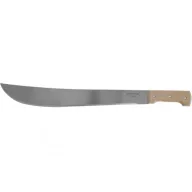
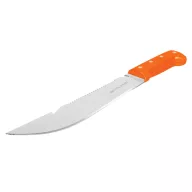
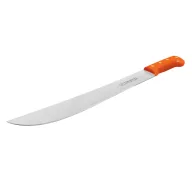
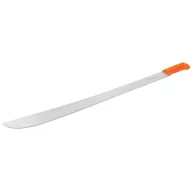
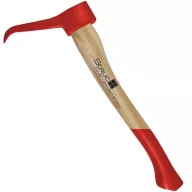
• Garden forks, pitchforks, pickaxes, sickles, brush-cutting tools — for clearing heavy soil, roots, thick weeds or brushy areas, landscaping, tidying up larger garden areas.
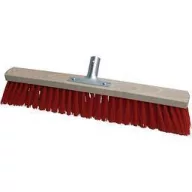
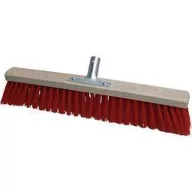
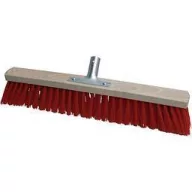
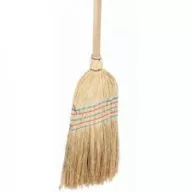
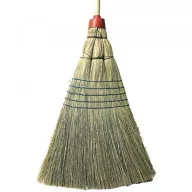
• Smaller hand tools: for example, small shovels, trowels, planting scoops, hand scrapers, rakes, brooms, garden mops/sweepers — for planting flowers and plants, pot and balcony work, tending small spaces and beds, or maintaining the garden.
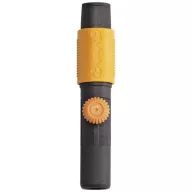
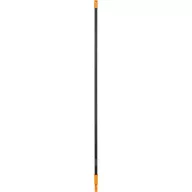
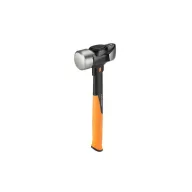
• Special or less commonly used tools: soil looseners, soil augers, hole diggers, compact garden tools, handle replacement aids, spare handles or replacement heads — when the soil is hard, stony, has deep-rooted plants, or when special soil work is needed.
• Care, cleaning and maintenance tools – such as brooms, shovel sets, hand cleaning and maintenance tools, which help keep the garden tidy, keep tools clean and prolong their lifespan.
These tools are especially useful if you are doing tasks that do not fall into the classic categories of soil work or pruning — such as tidying the garden, mulching, lawn care, planting in small spaces, compost or soil moving, as well as maintenance and cleaning.
When will I find these tools most useful?
• If your garden is not large, but there are many different tasks — planting, transplanting, tending small beds, planting flowers.
• If you occasionally do “DIY” — for the garden, terrace, small constructions, repairs, a multifunctional or supplementary tool can be practical.
• If you need to move soil, compost, mulch, prepare soil, weed or landscape — these smaller or larger special tools come in handy.
• If keeping the garden tidy and clean is important — brooms, cleaning tools, small shovels and other hand tools are a great help.
Frequently Asked Questions (FAQ)
1. Why “other” — what goes here and what doesn’t?
By “other tools” we mean those tools that do not fit into the main, well-defined categories (spade, hoe, pruner, saw, etc.) — often special, versatile or less commonly used tools. So those that are only needed for small or special tasks, but not regularly, belong here.
2. How do I choose which “other tool” I need?
Think about what tasks you do most often: soil loosening, planting, weeding, composting, cleaning, small area work — choose accordingly. If your garden is large, the soil is hard; then a cultivator, pitchfork, or pickaxe may be useful. If you have a balcony or flower garden — a small shovel, flower claw, or rake can help.
3. What should I pay attention to when buying?
The material and quality of the tool are important: strong steel head, sturdy handle (wood or durable plastic), ergonomic grip, good balance. It is worth avoiding cheap, thin sheet or pressed steel tools, as they can easily deform or break.