
The basic tools of soil cultivation
Arranging the garden, vegetable patch, flower bed or lawn, preparing new beds, loosening the soil, planting or weeding — all are tasks that require basic hand tools. The tools found in the “Spade, hoe, shovel, rake” category are among the most commonly used and most important gardening/agricultural tools — without them, carrying out earthworks, sowing or planting in a practical and efficient way is almost impossible. Read more »
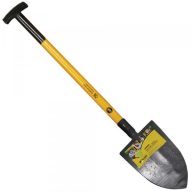
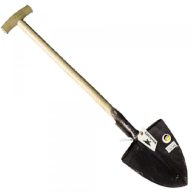
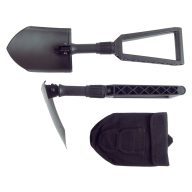
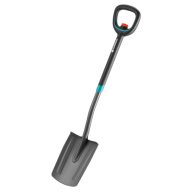
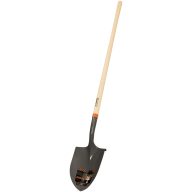
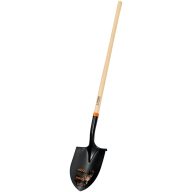
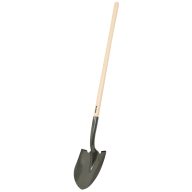
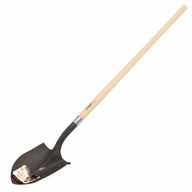
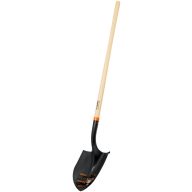

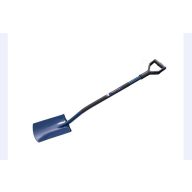
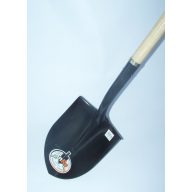
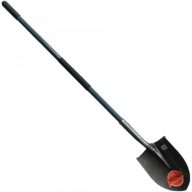
What can I find here?
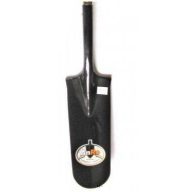
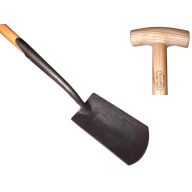
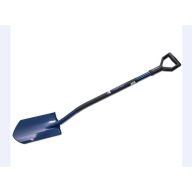
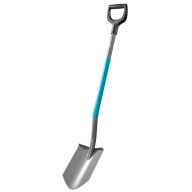
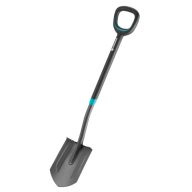
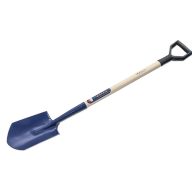
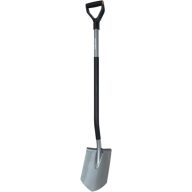
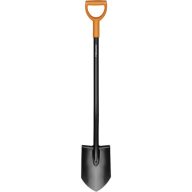
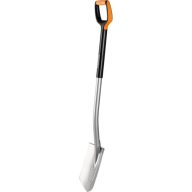
• Spades — for garden digging, loosening soil, pulling out roots, planting, or making beds. A pointed or sharp-headed spade cuts through harder, compacted soil well.
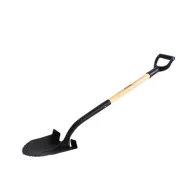
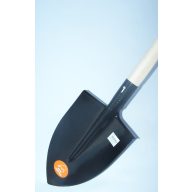
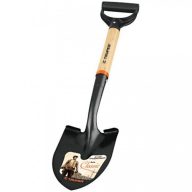
• Shovels — for moving loose soil, compost, mulch, or topsoil, digging holes, transplanting. With a shovel, soil or other material can be easily transported or moved.
• Hoes and soil looseners — for weeding, loosening soil, preparing small beds, flowerbeds, or vegetable gardens; easier to work the soil with these than with a spade if only shallow work is needed.
• Rakes — for smoothing soil, fine work, collecting weeds, raking lawns, gathering organic matter, leaves, weed remains; also useful for soil preparation before sowing.
Can I use these tools for?
• making vegetable or flower beds
• lawn work, loosening soil, mixing compost
• planting, transplanting, making planting holes
• weed removal, weed extraction
• moving or clearing green waste
When is it worth using a spade, hoe, or rake?
• If the soil is compacted, hard — then the spade is ideal for loosening and turning it.
• If you want to move or spread compost, peat, manure, or soil — a shovel or hoe may be the best choice.
• When preparing a vegetable or flower bed, before sowing — a rake is best for smoothing the soil, weeding, or working in organic matter.
• For collecting grass clippings or fallen leaves — a rake is the most practical.
Frequently Asked Questions (FAQ)
1. What handle length should I choose for the tools?
It’s important that the handle suits your height — a handle that’s too short can cause stooping and back pain, while one that’s too long makes handling difficult. Professional recommendations say that for spades or hoes, the hand-shoulder distance should be proportional to your height.
2. What should I pay attention to when choosing a tool?
The material of the head is important (strong, heat-treated steel head), the durability of the handle (knot-free wood or durable plastic), as well as ergonomic grip and weight distribution — this makes work more efficient and comfortable.
3. How should I care for and store these tools?
After each use, clean the tool (remove soil, mud, weed remains), dry it, and store it in a dry, covered place, preferably hanging — this prevents rusting and keeps them usable for longer.