
Reliable, classic nutrient supply for large areas
Solid (granulated) fertilizers are the most widespread and oldest nutrient replenishment solutions used in arable crop production, but they also offer a cost-effective solution for backyard hobby gardens, vegetable patches, orchards, and vineyards. Their production is simple, their effect is predictable, and they can be widely used in almost all open-field crop cultures. In this category, we have collected the most commonly used, reliably composed, and variously available solid fertilizers. Read more »
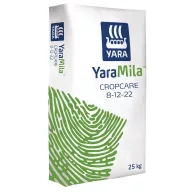
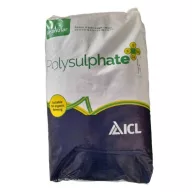
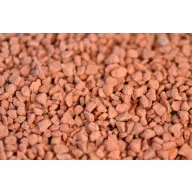


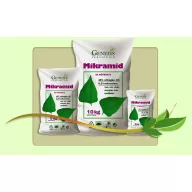
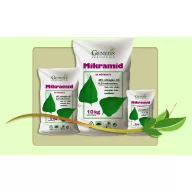
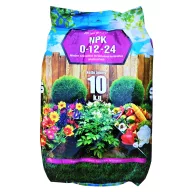
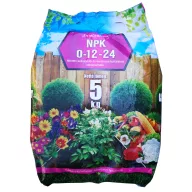
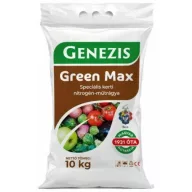
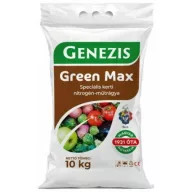
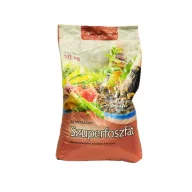
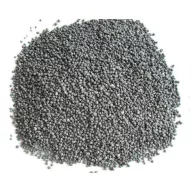
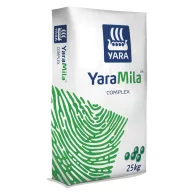
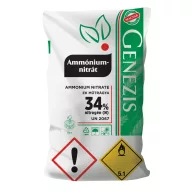
What are the advantages of granular fertilizers?
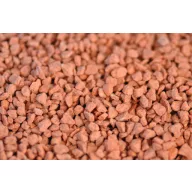
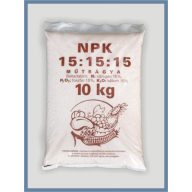
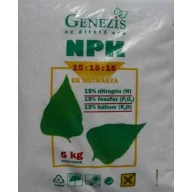
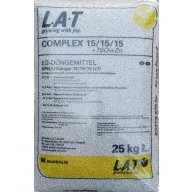
Among granular fertilizers, there are single-nutrient fertilizers (e.g. potassium salt, urea, superphosphate), micronutrient fertilizers, and compound (complex) NPK products, which contain several types of macronutrients in various ratios, sometimes with additional micronutrients (iron, zinc, boron, molybdenum, manganese, copper, etc.).
The use of granular fertilizers has numerous advantages compared to powder, liquid, or other forms of nutrient supplementation, especially in terms of easy handling and reliable application.
1. Multiple, varied nutrient compositions
Almost every macronutrient is available separately or in combined (complex) form.
2. Cost-effective solution
Thanks to the most basic manufacturing technologies, it is one of the most cost-effective fertilizer groups.
3. Ideal for both large-scale and small-scale use
Classic ammonium nitrate, calcium ammonium nitrate, and their counterparts remain among the most important sources of nutrient supplementation for cereal production, row crops, vegetable crops, and even home gardens.
4. Even application
The granular form allows for precise and homogeneous distribution on the soil surface, whether applied by hand or with a spreader. This ensures that every plant or the entire area receives the same amount of nutrients, avoiding scorching caused by overdosing (which is due to the sudden accumulation of salts in a small area) and the development of nutrient-deficient patches.
5. Easy handling and storage
Granules are dust-free or have low dust content, which makes storage and handling easier. When stored under proper conditions (in a dry, cool place), they do not stick together, are easy to dose, and atmospheric dust and nutrient loss are minimal.
6. High nutrient concentration
Granular fertilizers often contain active ingredients at higher concentrations than liquid formulations, so a smaller amount needs to be used and transported to achieve the same effectiveness, which is more cost-effective for the user.
What are the application methods of solid fertilizers?
1. Base fertilization
Base fertilization is done at the beginning of the season, during soil preparation, seedbed preparation, before sowing or planting, or sometimes simultaneously. The granular fertilizer is evenly worked into the soil or growing medium (e.g. potting soil). This can be done by hand mixing, hoeing, digging in, or by machine tillage in large farms. The base fertilizer ensures that the root zone receives enough nutrients from the start of growth or for the entire season, as the granules remain near the roots throughout their period of effectiveness.
2. Top dressing
Top dressing means the subsequent feeding of already developing, growing plants during the growing season. The granular fertilizer can simply be spread around the plants, in the root zone area. Then irrigation water or rain helps deliver the nutrients into the soil. It is important to proceed very precisely, as the fertilizer granules must not come into contact with the stem or foliage, as this can cause scorching!
A safer top dressing method is to work the granular fertilizer shallowly (e.g. 2-3 cm deep) into the top layer of soil, especially if you want the nutrients to reach the root zone faster. In this case, care must be taken not to accidentally hoe out the plant or damage, for example, the sensitive bark of a sapling.
Frequently Asked Questions (FAQ)
1. What can granular fertilizers be used for?
For base and top dressing of field crops, lawns, orchards, and horticultural crops.
2. Is a special spreading device required?
For larger areas, a fertilizer spreader is recommended; in smaller gardens, it can be applied by hand or with a simple spreader cart.
3. Can they be used in organic farming?
Most classic field fertilizers are not considered organic products – in organic farming, specially labeled, approved organic materials must be used.
4. How should I store granular solid fertilizer?
Store granular fertilizer in a dry, cool, well-ventilated place, such as a shed, garage, or closed pantry, always in the original, sealed packaging (bag, bucket). If the bag is damaged, place it in an airtight plastic storage container to keep out moisture. It is best to store it on a pallet or shelf, out of reach of children and pets, and away from food, feed, and flammable materials. Some fertilizers (especially those with high nitrate content) can be fire hazards, so follow the safety data sheet instructions. Carefully seal the remaining fertilizer bag or container after use. Tie the mouth of half-empty bags tightly, or transfer the granules to a bucket with an airtight lid.