
Well-nourished plants in the home and garden
The basis of plant development is light, air, and water, but for harmonious growth and abundant flowering, proper nutrient replenishment is also essential. The soil of garden or indoor plants kept in pots, balcony boxes, or tubs is quickly depleted, and regular watering washes out some of the nutrients. Therefore, it is especially important to choose a nutrient solution that, tailored to the needs of the given plant, provides all the essential macro-, meso-, and microelements.
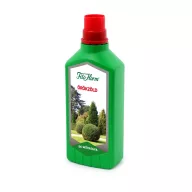
In the nutrient solution category of Gazdabolt.hu, you can choose exclusively from the products of quality manufacturers—such as Substral, Florimo, Biopon. These liquid nutrient supplements dissolve instantly in water, are quickly absorbed, and result in spectacular improvement in a short time: more vibrant foliage color, stronger growth, richer flowering. Read more »
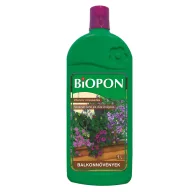
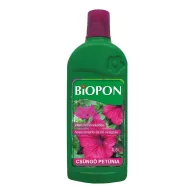
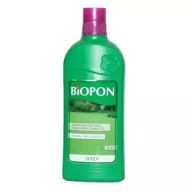
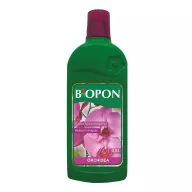
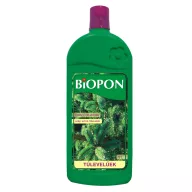
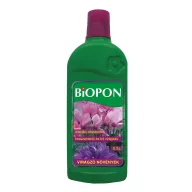
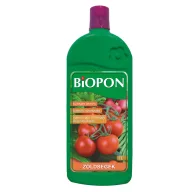
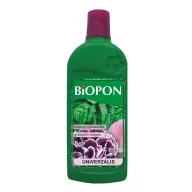
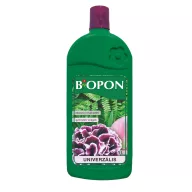
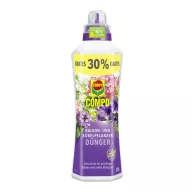
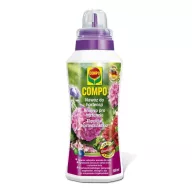
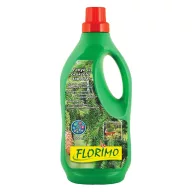
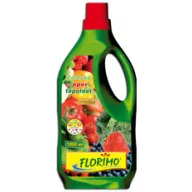
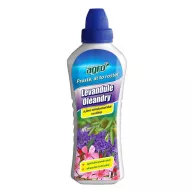
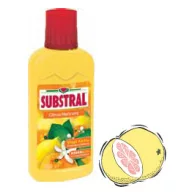
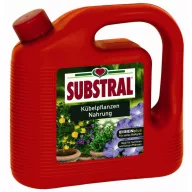

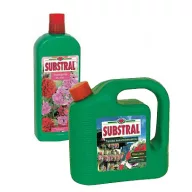
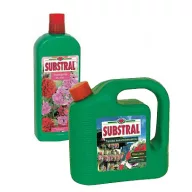
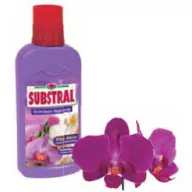
Why is liquid fertilizer beneficial?
One of the biggest advantages of liquid fertilizers is that they are extremely easy to use: the required amount (as specified by the instructions or product label) is added to the irrigation water, and the active ingredients mix immediately, so the plants quickly receive the essential elements they need.
Main advantages:
• Fast effect: visible development within a few days.
• Precisely dosable: with practical caps and measuring scales.
• Water-soluble, chelated nutrients: plants easily absorb them, they do not precipitate in the soil.
• Available for every life stage: for leaf development, flowering, root development.
• Wide selection for all plants: general, specialized, and seasonal fertilizers.
High-quality products contain more than 15–20% active ingredients, are chloride-free, and are made with a nearly neutral pH (6–7). Many manufacturers also add organic materials—guano, seaweed, humus and worm humus extract—to enhance the effect, which stimulate soil life and improve nutrient utilization.
What are the most popular types of fertilizers?
1. Foliage plant fertilizers
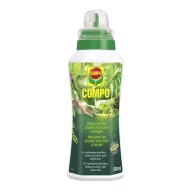
Mainly recommended for houseplants that decorate with their foliage, e.g., ficus, palms, philodendrons. Their high nitrogen content supports vigorous shoot and leaf formation and a beautiful, vibrant green leaf color.
2. Flowering fertilizers
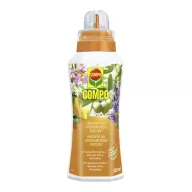
For cyclamen, geranium, fuchsia, African violet, and balcony plants. Their increased potassium content enhances flower formation and provides more vivid colors. Excessive use can lead to rapid fading of flowers!
3. Seedling fertilizers
Support the initial development of freshly planted seedlings. These are phosphorus-rich formulas that promote rapid and healthy root formation.
4. Universal fertilizers
For mixed plant collections, where plants with different needs live in one household.
They are made with a balanced NPK ratio.
5. Plant-specific fertilizers
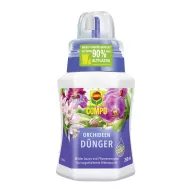
Compositions tailored to specific plant types, e.g., orchid, citrus, cactus, bonsai, rose, balcony plant, and geranium fertilizers. Their composition is precisely adjusted to the needs of the given plant.
Usage tips – how to make fertilizing truly effective
• Always use diluted! Concentrated products can damage roots.
• Do not pour fertilizer on dry soil! First, water the potting soil with clean water.
• After repotting, wait 2–3 weeks. Give the plant time to regenerate its roots.
• Fertilize less often during dormancy, more often during active growth, even weekly.
• Do not fertilize sick plants, unless the symptoms are proven to be due to nutrient deficiency.
Frequently Asked Questions (FAQ)
1. How long does a fertilizer last?
It can be stored almost indefinitely in a frost-free place. In case of freezing, the active ingredients may precipitate.
2. What counts as a good quality fertilizer?
High active ingredient content, chelated microelements, chloride-free, nearly neutral pH, clear consistency.
3. How often should I fertilize?
From spring to autumn, every 1–2 weeks; in winter or during dormancy, less often.
Note that plants flowering in winter (e.g., amaryllis) rest in summer.
4. What happens if I overdose the fertilizer?
The roots can get scorched from the high salt content, and the plant may wilt. Always follow the manufacturer’s dosing instructions.
5. Can I use a universal fertilizer for all plants?
Yes, but where there are special needs (orchid, citrus, cactus, geranium), you are better off with a targeted fertilizer composition.
6. What nutrients should a good fertilizer contain?
• Macronutrients: nitrogen (N), phosphorus (P), potassium (K)
• Mesoelements: magnesium (Mg), calcium (Ca)
• Micronutrients: iron (Fe), manganese (Mn), zinc (Zn), boron (B), copper (Cu), molybdenum (Mo)
Together, these ensure the development of foliage, roots, flowers, and fruit.