
Effective protection against wild animals for yards, gardens, and fields
Animal repellent devices are modern tools that help keep unwanted animals — wild animals, rodents, snails, stray cats, or other pests — away from gardens, vegetable patches, and orchards. These devices — ultrasonic, sound or sound + light and motion sensor, solar-powered or mains-powered units — reduce the entry or appearance of pests in a safe way that does not require water, chemicals, or toxins. In this way, they help protect crops, plants, yards, and animals without the use of poisonous substances. Read more »





What can I find here?
Among the animal repellents, you can find several types, depending on the target area and the animals you want to protect against:
• Ultrasonic / electric animal repellents (for outdoor and indoor use) — solar-powered or mains-powered devices equipped with motion sensors that emit high-frequency sounds and/or a combination of sound and light when an animal approaches. These repel rodents, cats, foxes, martens, and other pests.
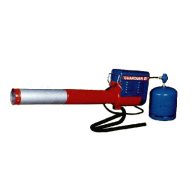
• Starling, bird, and small game repellents (acoustic or sound-sample devices) — models that imitate the sounds of birds of prey (or frightening noises audible to the human ear) to keep birds, snails, pigeons away — useful in orchards, vegetable gardens, or plantations.
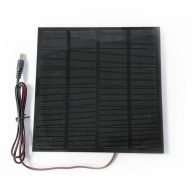
• Solar or battery-powered, outdoor weatherproof animal repellents — these devices have water-, weather-, and UV-resistant housings, making them suitable for protecting outdoor plantations, gardens, orchards, and yards without the need for a constant power source.
• Accessories, add-ons — such as solar accessories, extra batteries, mounting kits, which help the animal repellent operate optimally. Such products are also available in the range.
These various animal repellents allow you to protect your garden, orchard, or animal-keeping area from unwanted intruders in a chemical-free, animal- and environmentally friendly way.
What damage can wild animals cause in my garden?
Wild animals can cause various types of damage in the garden, depending on which animal
appears in the area. The most common problems:
1. Plant gnawing and breaking of young shoots
Roe deer, deer, and rabbits are fond of eating young plants, flowers, tender shoots, and buds of fruit trees. This stunts plant growth and can even destroy the entire crop.
2. Peeling and rubbing of tree bark
Roe deer and deer often rub their antlers against the trunks of young trees, peeling off the bark. This can seriously damage or even kill the tree.
3. Trampling damage, soil damage
Wild boars dig up the soil while foraging, capable of destroying entire lawns and vegetable gardens. Large wild animals (deer, roe deer) trample seedlings and ornamental plants.
4. Fruit and vegetable consumption
Deer, roe deer, rabbits, foxes, and badgers may also eat ripening fruit, vegetables, and berries.
5. Damage to vegetable gardens and fresh sowings
Rabbits and birds often eat fresh sowings, especially sensitive to corn, peas, carrots, and lettuce.
6. Pulling out plants or root damage
Wild boars, badgers, and foxes may damage roots or completely pull plants out of the soil while digging.
7. Danger to pets and equipment
Wild boars can knock over compost bins, crates, or damage dog houses, kennels, and their aggressive behavior can even be dangerous to pets.
How can I protect my garden from wild animals?
Wild animals — roe deer, deer, rabbits, wild boars — are appearing more and more frequently in areas near gardens and can cause serious damage to plants, fruit trees, vegetable gardens, and lawns. Prevention is most effective when several methods are used at once.
1. Physical protection – fences and protective meshes
Garden fence
The most reliable protection:
• At least 160–180 cm high against roe deer,
• For wild boar, a massive, wire mesh fence sunk into the ground is recommended.
The densely looped, strong mesh prevents even smaller animals from getting through.
Trunk protector mesh for young trees
Protects the trunks of young fruit trees from bark damage and rubbing.
2. Scent and taste repellents
Some wild animals are very sensitive to smells. Available:
• scent-repellent granules,
• sprays and concentrates,
• natural animal-repellent substances.
These are usually applied to the garden boundary, among plants, or around the area to be protected, and should be reapplied from time to time.
3. Electronic animal repellents – ultrasound, light, motion sensor
Modern animal repellents help effectively against night and dusk animal movement:
• Ultrasonic devices: emit frequencies unpleasant for wild animals.
• Flashlight or motion-sensor repellents: animals are frightened by sudden light or sound effects.
• Solar-powered versions: economical, continuous operation.
Effectiveness can be increased by changing the device's location from time to time so animals do not get used to it.
4. Plant protection tricks – less attractive plants
Certain plants' scent, taste, or leaves are less attractive to wild animals, for example:
• lavender
• rosemary
• sage
• some types of ornamental grasses
These can be planted as a protective strip along the edges of the garden.
5. Soil protection and meshes against wild boar
Effective against wild boar digging:
• strong wire meshes laid in the soil,
• garden grids,
• massive metal frames placed around the lawn, compost, or vegetable garden.
6. Light and sound effects
As a temporary solution, the following can work:
• wind chimes,
• foil flags,
• reflective tapes,
• timed lamps.
• sound-based animal repellent devices
These are mainly useful against smaller animals (rabbits, roe deer) and birds.
7. Regular garden inspection and checking
Wild animals adapt quickly, so it is advisable to:
• occasionally change the type of repellent,
• regularly check the fence,
• watch for fresh tracks and digging.
Frequently Asked Questions (FAQ)
1. When and how should I operate the animal repellent device?
It is advisable to operate it continuously, especially at night and during periods of animal movement, and to place it so that the sound or light effect reaches the garden boundary unobstructed. It is also recommended to change its position from time to time so animals do not get used to it.
2. Does the animal repellent device harm animals, or does it just scare them away?
Most animal repellents — ultrasonic, sound, or flashing light — do not harm animals, they only cause discomfort, which makes the animal flee. The purpose of the device is to keep them away, not to destroy them.
3. How large an area can one device protect?
Most small and medium-sized animal repellents have a range of 5–10 meters — suitable for smaller gardens and yards. Larger devices or multi-part systems can be used to protect larger areas (orchards, vegetable gardens, farms).
4. Are they effective against all wild animals?
Not necessarily. Some animal repellents are effective against rodents, cats, dogs, foxes, martens, and smaller animals; others are for keeping birds and pigeons away. It is important to choose the device according to the animal you want to protect against. For large wild animals, other protection methods may also be necessary (fence, physical barrier, etc.).