
Undergrowth clearing machines for neglected, bushy areas
The brush cutter category is a collection of tools suitable not only for mowing grass, but also for removing thicker weeds, sedge, dense undergrowth, brush, or even small-shoot shrubs. Whether it’s a large yard, lawn edge, forest strip, neglected grass, or orchard — the brush cutter is there to restore the area’s tidiness and usability. Read more »


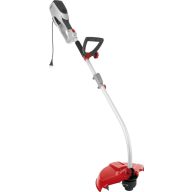

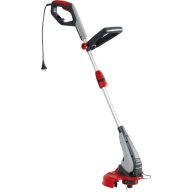
What can I find here?
Manual or small engine-powered grass trimmers (string trimmers)
For smaller, uneven, partially overgrown areas, lawn edges, paths, around flower beds. The simple string head is useful if only tall grass or weeds have grown.
Advantages: easy handling, quieter operation, suitable for finer area cleaning.
Electric or battery-powered grass trimmers
For medium-sized gardens, lawn edging, maintenance of weedy areas. Often lighter in weight, easier to start, and no exhaust fumes — a good compromise for small to medium jobs.
Why are they good? Easy starting, less noise, less maintenance, a good choice in residential areas.
Petrol-powered professional brush cutter blade trimmers
For larger gardens, orchards, forest strips, bushy, densely overgrown, neglected or poorly maintained areas. The petrol engine and strong cutting head allow the removal of thick weeds, sedge, brush, or even shrubby shoots.
Advantage: high performance, reliability, efficient work in dense, neglected, and challenging areas.
Why is it worth buying a grass trimmer?
• Strong against tall weeds: the grass trimmer not only cuts grass — it helps eliminate dense weeds, sedge and nettle patches, bushy areas, overgrown spots.
• Flexibility: from string to metal blade – you can choose the cutting head type for lighter or heavier work.
• Comfort and time saving: what would take hours with a hand scythe or brush cutter, you can do relatively quickly and comfortably with a grass trimmer.
• Can be used where the lawn mower can't cope: old lawns, bushy areas, garden edges, undergrowth in orchards, at the edge of forest strips – where a regular lawn mower is not enough.
When and where is it worth using a grass trimmer?
• If the lawn or part of the garden is overgrown — tall weeds, nettles, sedge, or weeds have grown.
• If the area is not flat, uneven, with many bushes, around trees, under shrubs — where the lawn mower can't fit.
• If you want to tidy up an orchard, the area under fruit trees, or eliminate overgrown undergrowth among roots and trunks.
• If you want to clear a bushy, neglected area — to reseed, landscape, or rebuild.
How to avoid plant damage when using a grass trimmer!
• Blade and string trimmers work with great force, so ornamental plants, young trees, and perennials can be easily damaged. Always keep a safe distance with the trimmer, especially around tree trunks, shrub bases, and sensitive plants. The string can rub off, and the blade can cut into the bark — this can cause root collar injury, infection, or even plant death in the long run.
• Always put trunk protectors around young trees, and maintain sensitive areas by hand or with scissors. Work especially carefully near stones, edges, and hard objects, as the rebounding string and flying stones can cause injury.
Frequently Asked Questions (FAQ)
1. Why do we call the grass trimmer an “undergrowth cleaner”?
By this we mean that the grass trimmer is not just made for simple grass cutting: it can cut dense weeds, sedge, nettles, brush, undergrowth, and even thicker shrubby shoots — so it really “cleans out” the most stubborn parts of the garden.
2. What cutting head should I choose for undergrowth?
If you only want to cut weeds, tall grass, or lawn edges — a string head is sufficient. If there is brush, undergrowth, sedge, or thicker vegetation — a metal blade or brush cutter disc is recommended.
3. What consumption/performance differences are there between electric and petrol-powered grass trimmers?
Electric or battery-powered models are lighter, quieter, but less powerful — suitable for smaller gardens, lighter vegetation. Petrol-powered grass trimmers are stronger, more durable — best for dense, bushy, large areas.
4. What protective equipment is needed when using a grass trimmer?
Always wear safety glasses or a face shield, hearing protection, strong gloves, long trousers, and closed footwear. When cutting brush and undergrowth, small branches, stones, and dust can fly — full protection is important.
5. What should I pay attention to in grass trimmer maintenance to make it last longer?
After use, clean the cutting head, remove grass and plant residues, and if you use a string head — ensure regular string or blade replacement. For petrol machines, pay attention to oil, filter, and regular maintenance.