
Healthy, airy, moss- and thatch-free lawn
Over time, the lawn becomes compacted and thatchy, and moss can easily take over — as a result, the grass starts to yellow, grows more slowly, and does not get enough air or nutrients. The Lawn Aerator category offers tools that renew the lawn: they remove the thatch layer, extract moss and weed residues, while making the soil more airy. The result: a stronger, denser, more beautiful lawn. Read more »
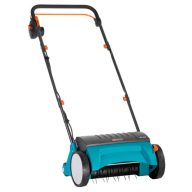
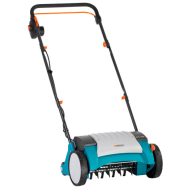
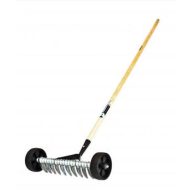
What can I find here?
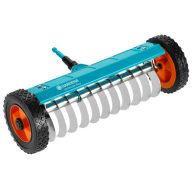
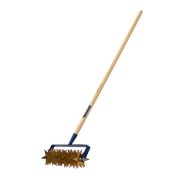
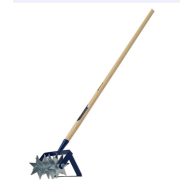
Manual lawn aerators
Ideal for smaller gardens and precise, gentle work. With rake, spring, or spike designs, they help loosen the thatch layer.
Advantages: quiet operation, easy to use, and a high degree of control over the process.
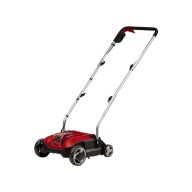
Electric lawn aerators
Recommended for medium-sized gardens where more powerful performance is needed. They quickly and evenly remove accumulated thatch and moss.
Why are they good? Easy to handle, more environmentally friendly, and require less physical effort.
Petrol-powered lawn aerators
For larger areas and heavily thatched lawns. Their powerful engines provide professional efficiency.
Advantage: high performance, even work, and time saving.
These tools help your lawn breathe again:
• improve nutrient uptake,
• increase water permeability,
• strengthen the roots of the grass blades,
• prevent moss growth,
• result in a more beautiful, fresher lawn.
When is it worth using a lawn aerator?
• In spring or autumn, when the lawn is in an active growth phase.
• If the lawn surface feels noticeably spongy, thatched, or patchy with moss.
• If the grass does not grow evenly, turns yellow, or does not get enough air.
• If the soil is compacted and you want to improve water and air flow.
Frequently Asked Questions (FAQ)
1. What is the difference between lawn aeration and lawn scarification?
Lawn aeration is mainly for removing thatch and moss, while scarification penetrates deeper and reduces soil compaction. Many machines can do both at once.
2. How often should you aerate your lawn in a year?
Usually 1–2 times a year: in spring and/or autumn. For heavily thatched lawns, it may be needed more often.
3. Should you overseed the lawn after aeration?
Yes, it is often recommended. The opened surface after aeration is perfect for new grass seed.
4. Should I choose an electric or petrol-powered lawn aerator?
For small and medium gardens, electric is more than enough. For large areas or heavily neglected lawns, petrol-powered is more efficient.
5. Can aeration damage the lawn?
If done in the right season and with the correct settings, it does not damage – in fact, it helps renew the lawn surface. However, it should be avoided on lawns that are too dry or too wet.