
Versatile, durable protection for your polytunnels
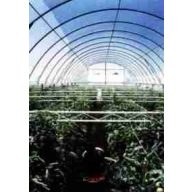
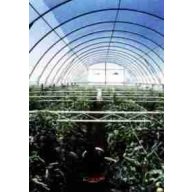
Polytunnel film is the outdoor plastic film used to cover polytunnels and plastic tunnels—whether simple or professional growing structures. This type of film provides high flexibility, good light transmission, and weather resistance: it protects plants from rain, wind, scorching sunlight, and frost, while—if you choose a high-quality, UV-stable version—it can be used for several seasons. Read more »

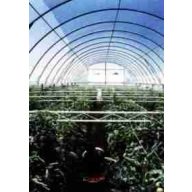
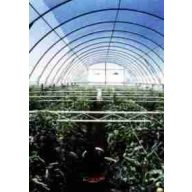

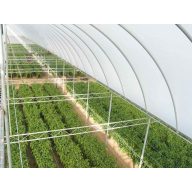

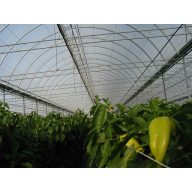
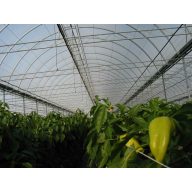
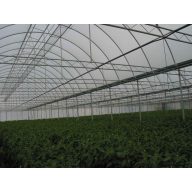
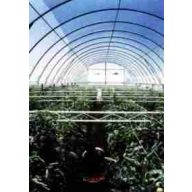
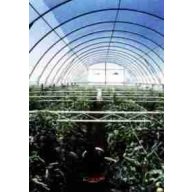
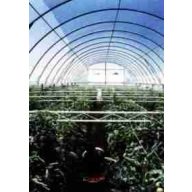
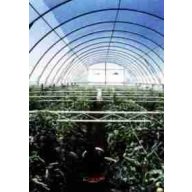
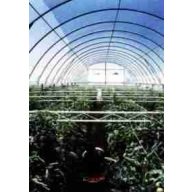
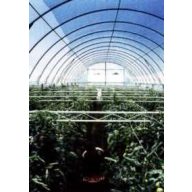
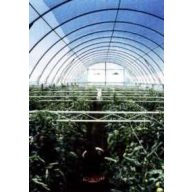
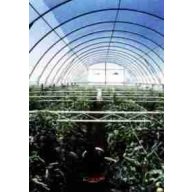
What can I find here?
The selection ranges from classic, transparent greenhouse film to light-diffusing, UV-stabilized, and extra tear-resistant versions — you can choose from several types depending on whether you are a hobby gardener or a professional grower, and what conditions you work in.
Main types and their characteristics
Standard, single-layer greenhouse film
Cheap, quickly installable solution for hobby greenhouses and smaller gardens.
UV-stabilized greenhouse film (2–4 years)
More durable solution, can be used for several seasons — resistant to strong sunlight and chemicals.
Diffused greenhouse film
Helps distribute light evenly, so it illuminates well even deep inside the tent — advantageous in larger tents.
Multi-layer film (e.g. 150 µm and above)
Better tear resistance, greater durability, withstands extreme weather conditions.
Advantages: Why choose greenhouse film?
• Versatile protection: against rain, wind, hail, frost, UV radiation — all at once.
• Longer growing season: ideal for early sowing, autumn cultivation, colder periods.
• Affordable and flexible: does not require a concrete foundation or complicated structure, can be set up quickly, you can even build a temporary tent with it.
• Light control: with diffusing film, better light distribution — the risk of sunburn caused by excessive sunlight can be reduced, and plants can develop evenly.
What to pay attention to when using / buying greenhouse film
• Choose the right thickness and UV-stabilized film — thin, non-stabilized film can deteriorate quickly.
• Ensure light intensity and ventilation: diffusing film helps, but in summer you need to ensure ventilation so it doesn't get too hot inside the tent.
• Frame and fastening should be stable: the film only works well if the frame is strong, corrosion-free, and well fastened — e.g. metal, galvanized frame is recommended.
• Lifespan & maintenance: greenhouse film wears, its light transmission may decrease over the years, so plan for re-covering — good quality and UV-stabilization mean longer lifespan.
Frequently Asked Questions (FAQ)
1. How long can a greenhouse film be used?
UV-stabilized, quality greenhouse films generally last 2–4 years, but with wear and contamination, light transmission may decrease — it is worth checking, cleaning, or replacing it from time to time.
2. Why is UV stabilization important?
UV radiation breaks down normal plastic film — UV-stabilizing additives are essential if you want a longer-lasting tent.
3. When is light-diffusing film advantageous?
If you want to cover a larger tent or grow plants that prefer diffused light — e.g. lettuce, herbs — because it helps even light distribution and reduces the risk of sunburn.
4. Can greenhouse film be used in cold winters?
Yes, but it is worth choosing thicker and UV-stabilized film, or even using a double film system — for better insulation and greater durability.
5. What is the best frame for greenhouse film?
Metal or galvanized frame is recommended — PVC or rusty structures can damage the film and make it short-lived.