
Mulching, weed control, and water and heat management in one step
Cover film and flat film are simple yet extremely effective tools in the garden or vegetable patch: they help retain soil moisture, keep the soil warm, suppress weeds, and minimize maintenance needs. Ideal for those who want a healthy, tidy, and productive garden with less work. Read more »


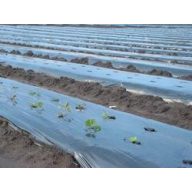


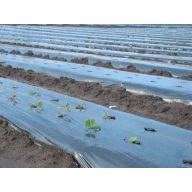


What can I find here?
For general purposes — for vegetable beds, vegetable and kitchen gardens, instead of mulching — the films offered can be used for anything from simple soil covering to long-term soil mulching.
What can they do and when is it worth using them?
Soil heat and moisture retention
Black or darker colored flat film absorbs sunlight, warms the soil, and retains the heat absorbed during the day for the night — thus the soil temperature is more stable, which is especially beneficial for early sowing, planting, or during cooler spring/autumn.
The film helps retain soil moisture by reducing evaporation — so less watering may be sufficient.
Weed control and less maintenance required
The flat film blocks light, so weed seeds do not germinate, or only much later — this means significant time and labor savings.
This is especially useful for plantings without row spacing, ornamental or vegetable beds, where avoiding weed growth is important.
Earlier sowing, early planting, longer growing season
Thanks to the warmer soil and more stable microclimate, the season can be started earlier, and autumn/late sowings can also be more successful — thus the full growing period can be utilized.
Easy installation, low maintenance
By laying down and fixing the flat film to the soil, it is simple to use: it does not require complicated construction, and involves much less work than mulching or weeding.
What should you pay attention to when using flat film?
• The soil under the film does not receive rainwater — so irrigation must be carefully planned, or choose perforated/holed film.
• Complete soil covering can hinder the soil’s natural gas (e.g. CO₂, O₂) and water exchange — so it is recommended to leave strips open between rows or plantings.
• After use, the plastic — if it is not UV-resistant or is single-use — must be removed to avoid soil contamination.
Frequently Asked Questions (FAQ)
1. When is it worth covering the soil with film?
• For early sowing/planting, when warming the soil is important.
• During drought periods, to retain soil moisture.
• To prevent weed growth, for permanent vegetable garden beds.
2. What color film is best?
• Black film for soil warming and weed control.
• Lighter or silver/reflective versions for summer crops, if excessive heat is not desired.
3. Isn’t plastic film harmful to the soil?
If you replace it annually and do not use the same film for too many seasons, install it carefully, and ensure soil moisture with water and irrigation — then generally not. Alternative: biodegradable or natural mulching if you want an environmentally friendly solution.
4. When is it better to choose mulch or geotextile?
If you want the soil to “breathe”, and long-term soil life and soil biodiversity are important — in this case, organic mulch or geotextile may be better, as it does not block gas and water exchange.