
Extra protection, faster start, more stable climate in the polytunnel
When it comes to early forcing or extending autumn cultivation, much depends on how well you can retain the air warmed during the day. The inner film is one of the most important accessories for polytunnels: it forms an additional layer behind the outer covering, further improving heat retention and enabling significant energy savings. The inner film practically creates a second microclimate around the plants, so a safer temperature can be achieved even on colder nights. Read more »
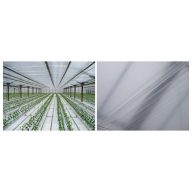


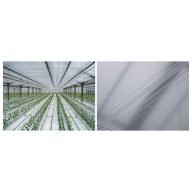
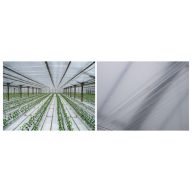
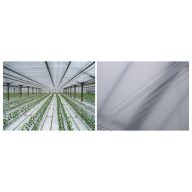
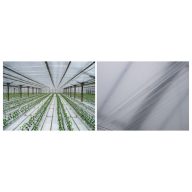
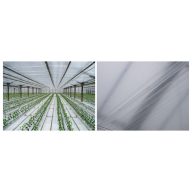
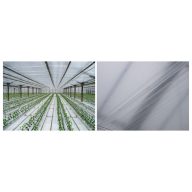
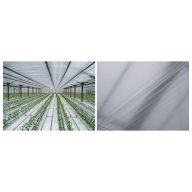
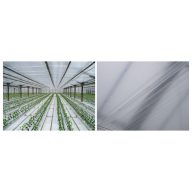
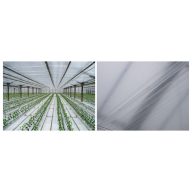
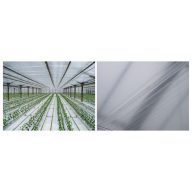
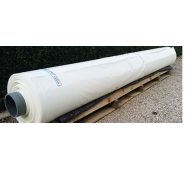
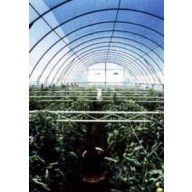










What can I find here?
The selection includes several types of UV-stable and UV-resistant, drip-free designs that prevent condensation and water droplets from dripping onto the plants — this is especially important for preventing fungal diseases.
Why is the inner film useful?
1. Significantly improves insulation
An insulating air layer forms between the inner film and the outer film layer. According to experts, this can reduce energy loss by as much as 30–40%, especially on cold, clear nights.
2. Faster plant development in the early period
With the inner film, sowing time can be brought forward by several days; a more stable microclimate develops even with strong temperature fluctuations.
3. Drip-free (anti-fog) design against diseases
On the surface of drip-free films, condensation does not collect in the form of droplets, but flows down as a film layer — so it does not drip back onto the plants. This reduces the risk of downy mildew, botrytis, and other fungi.
4. Energy and cost savings
Using the inner film requires less heating. Many professional greenhouses use it in combination with insulating film or double film covering.
What types can you find with us?
• UV-stable inner films – resistant to sunlight for a long season and do not tear easily.
• Drip-free (anti-fog) inner films – with a humidity control coating that prevents condensation.
• Available in various widths and lengths – to fit every greenhouse size.
Frequently Asked Questions (FAQ)
1. How does the inner film differ from the insulating film?
The inner film is primarily for heat retention and humidity control, while the insulating film, due to its bubble structure, has much greater insulating capacity. Using both together is the most effective.
2. Does the inner film reduce the amount of light?
Minimally yes, but modern films have excellent light transmission (80–90%), so plant growth is not slowed. With drip-free film, light distribution can even improve.
3. Can it be left on all year round?
It is recommended to use it in spring and autumn, but in summer — as too high a temperature can develop — it is advisable to remove or roll it up.
4. How dangerous is condensation in the greenhouse?
Condensation can cause fungal diseases. The drip-free inner film controls this problem, so it is recommended for both professional and hobby users.
5. Is it difficult to install the inner film?
No. The inner film can be fixed with clips, rails, or tensioning cords. The main thing is that it should be tight and not touch the plants directly.