
Colors, shapes, and harmony in your garden
The "Ornamental plant and ornamental garden" culture contains the right tools and accessories for those who not only grow crops, but also want their garden—whether it's just a small yard, terrace, or a larger, arboretum-like plot—to be a blooming, aesthetic, colorful oasis. Here, the goal is the visual and the aesthetic: ornamental shrubs, flower beds, flowering perennials, ornamental trees, ornamental grasses—so the garden is not just plants, but also home and atmosphere. Read more »









What makes a good ornamental garden?
• Beauty, form, and play of colors: the harmony of plants, conscious choice of color and form — the harmony of flowers, foliage, ornamental grasses, shrubs, evergreens. A good ornamental garden is always changing, always offering something new.
• Planned planting and care: it’s not enough to choose beautiful plants — you must ensure the right soil, planting, planting time, pruning, nutrients, and water supply.
• Rhythm of the seasons, continuous blooming, spectacle: an ornamental plant garden is not a one-time sight, but a system that requires attention — well-timed maintenance, changing colors, continuous care.
Who is it recommended for?
• For those who value the aesthetics of the garden — not just lawn, vegetables, or a kitchen garden, but colorful plants, ornamental trees, flowering shrubs.
• For garden owners who want their garden to be a “living space” — relaxation, blooming, birdsong, colors.
• For those who enjoy gardening: planting, pruning, soil and plant care, and find joy in nature.
• For those with smaller or larger gardens who are happy to spend time planning and caring — because an ornamental garden doesn’t become beautiful on its own, it requires attention.
Why is it worth planting ornamental plants?
• They provide a beautiful, calming environment: flowers, colors, green foliage are soothing and refreshing — the garden is not just a functional space, but an experience.
• Healthy environment: trees and lawns reduce heat effects, clean the air, and provide a healthy environment even in big cities.
• Increase property value: a well-maintained ornamental garden increases the appeal and value of the property — not just now, but in the long term.
• Customizable atmosphere: Mediterranean, romantic, modern, natural, English — the style of the ornamental garden can be shaped to your taste.
• Closeness to nature: plants, birds, the scent of flowers — in a house with a garden, the ornamental plant garden can be a slice of nature.
• Seasonality, variety: blooming from spring to autumn, foliage colors, ornamental trees, perennials — the garden shows a different face in every season.
What products can I find here?
• Ornamental plants: flowers, ornamental shrubs, ornamental trees, bushes — in other words, all the plants you can use to decorate your garden, for decoration, or to create green spaces.
• Soil and soil conditioning materials, potting soils — which help ornamental plants grow optimally, ensuring the soil’s nutrient and water supply.
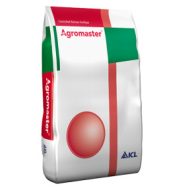
• Fertilizers, nutrient solutions, and nutrient preparations — for supplementing ornamental plants’ nutrients, stimulating flowering and growth. Nutrient products under the “Ornamental Plant” category can be found here.
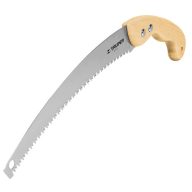
• Garden tools and care equipment — pruning shears, branch saws, hoes, etc., which are necessary for maintaining the ornamental garden, thinning and shaping plants.
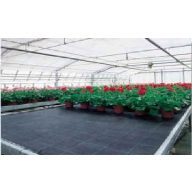
• Materials for mulching and weed control — such as geotextiles, covering foils, which help with mulching, weed suppression, and soil protection.
What are these products good for in practice?
• They allow you to create an aesthetic, varied ornamental garden — with flowers, shrubs, ornamental trees, and decorative green plants.
• They provide plants with the right nutrients and soil so they grow healthily and bloom beautifully: soil treatment, fertilizer, and nutrient solution help with this.
• They help with care and maintenance: with the tools you can prune, shape, and care for ornamental plants and shrubs.
• With mulching / geotextile / mulch you can reduce weeds, protect the soil, and make maintenance easier.
• Overall, they help your garden be beautiful, tidy, and sustainable in the long term — not just in the first phase, but for many years.
Frequently Asked Questions (FAQ)
1. What plants are considered “ornamental plants”?
Ornamental trees, ornamental shrubs (evergreen and deciduous), flowering annual or perennial plants, ornamental grasses, shrubs with decorative foliage or flowers — in summary: those that primarily serve an aesthetic purpose.
2. When is it best to plant ornamental plants?
For most ornamental plants, the ideal time for planting is — after leaf fall (late autumn), or early spring (when the soil is no longer frozen), but depending on the species, the summer period can also be good.
3. How should I care for my garden to keep it beautiful for a long time?
Regular watering, soil and nutrient supply, pruning/thinning, weeding, and care according to the needs of the plants — with seasonal tasks, you can keep your garden beautiful.
4. What styles can an ornamental garden have?
It can be romantic, Mediterranean, English, modern minimalist, natural, or exotic — the style is determined by the plants, colors, arrangement, and plant selection.
5. Why can maintaining an ornamental garden be a challenge?
Because it requires planning, time, and care — it’s not enough to plant it once; continuous watering, nutrients, pruning, and attention are essential for a beautiful garden.